
Why Modern Entertainment Is All About Short Attention Spans
Mar 20, 2026, 18:26 IST
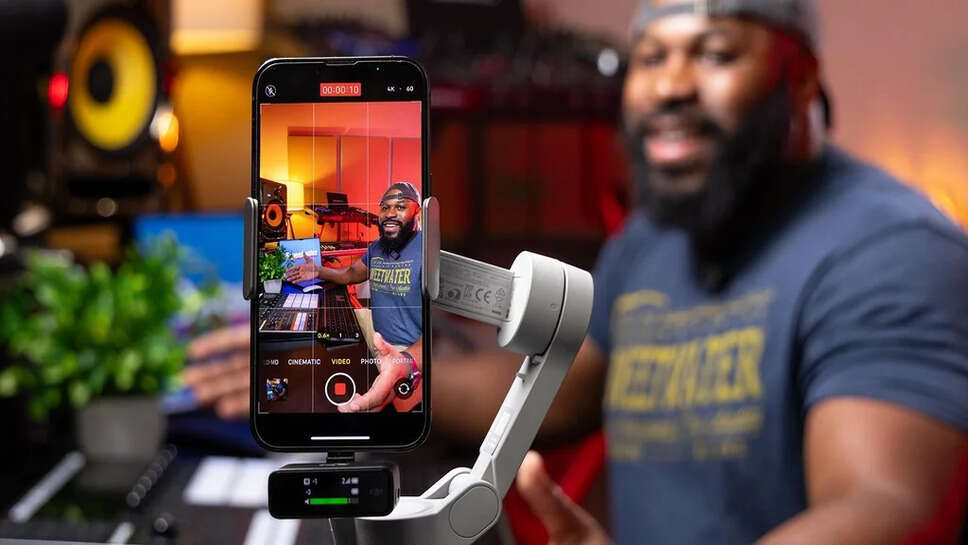
The way people consume entertainment has changed dramatically over the past decade. Long movies, extended storytelling, and slow narratives are gradually being replaced by short-form content designed to capture attention instantly. Platforms like TikTok, Instagram Reels, and YouTube Shorts have reshaped how audiences engage with content, leading to a culture driven by speed and instant gratification.
One of the biggest reasons behind this shift is the decline in attention span. With constant exposure to fast-paced content, people have become accustomed to quick bursts of entertainment. Instead of investing time in a single piece of content, audiences prefer consuming multiple short clips in a short period. This behavior has influenced creators to adapt their style. Content is now designed to grab attention within the first few seconds. Hooks, quick cuts, and visually engaging elements have become essential. If a video fails to capture interest immediately, viewers simply scroll past it.
This has created a highly competitive environment where creators must constantly innovate to stay relevant. Another factor contributing to this trend is accessibility. Short-form content can be consumed anywhere—during a commute, while waiting in line, or even during short breaks. It fits seamlessly into daily routines, making it more appealing than long-form entertainment that requires dedicated time. However, this shift has raised concerns. Critics argue that reduced attention spans may impact the way people process information. Deep storytelling and complex narratives require patience, which is becoming less common. Despite these concerns, short-form content continues to dominate. It offers convenience, variety, and instant engagement. The future of entertainment will likely involve a balance between short and long formats, catering to different audience preferences.
One of the biggest reasons behind this shift is the decline in attention span. With constant exposure to fast-paced content, people have become accustomed to quick bursts of entertainment. Instead of investing time in a single piece of content, audiences prefer consuming multiple short clips in a short period. This behavior has influenced creators to adapt their style. Content is now designed to grab attention within the first few seconds. Hooks, quick cuts, and visually engaging elements have become essential. If a video fails to capture interest immediately, viewers simply scroll past it.
This has created a highly competitive environment where creators must constantly innovate to stay relevant. Another factor contributing to this trend is accessibility. Short-form content can be consumed anywhere—during a commute, while waiting in line, or even during short breaks. It fits seamlessly into daily routines, making it more appealing than long-form entertainment that requires dedicated time. However, this shift has raised concerns. Critics argue that reduced attention spans may impact the way people process information. Deep storytelling and complex narratives require patience, which is becoming less common. Despite these concerns, short-form content continues to dominate. It offers convenience, variety, and instant engagement. The future of entertainment will likely involve a balance between short and long formats, catering to different audience preferences.